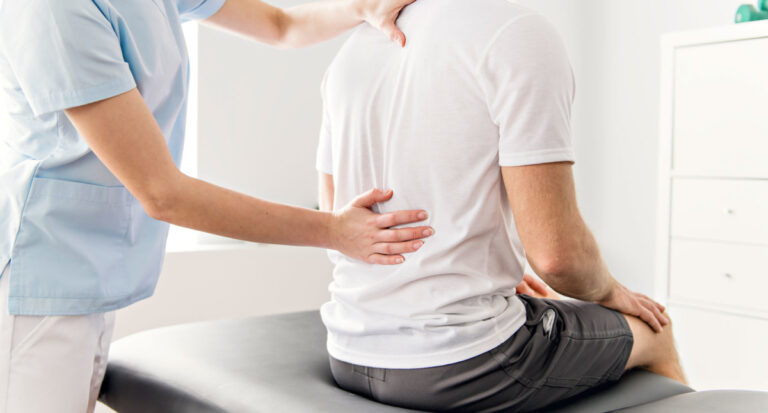

If you’ve ever noticed your pain feels worse when you’re stressed—or that your muscles tighten up when you’re anxious—you’re not imagining it. The mind and body are deeply connected, and in rehabilitation that connection can be used as a powerful tool.
Breathwork and mind-body practices are increasingly used in rehab and musculoskeletal medicine to help patients:
- calm a sensitized nervous system
- reduce muscle tension and guarding
- improve sleep and recovery
- feel safer moving again
These approaches don’t replace physical therapy or hands-on treatment—they make them work better.
| Quick takeaway: Breathwork helps regulate the nervous system. A calmer nervous system often means less pain sensitivity, better movement quality, and faster recovery—especially when combined with PT, exercise, and Osteopathic Manipulative Treatment (OMT/OMM). |
What is breathwork?
Breathwork refers to intentional breathing techniques used to influence your nervous system—specifically the balance between:
- Sympathetic (“fight or flight”): increased tension, faster breathing, higher pain sensitivity
- Parasympathetic (“rest and recover”): relaxed muscles, better digestion, improved sleep, lower stress response
When pain persists, the nervous system can stay in a protective mode. Breathwork is one of the fastest ways to shift your body toward recovery mode.
Why breathwork matters in rehab (especially for pain)
Pain isn’t only “tissue damage.” Pain is also shaped by stress, sleep, fear of movement, muscle guarding, and sensitivity of the nervous system. Breathwork can help by lowering the “volume” on the nervous system and improving how your body responds to rehabilitation exercises.
Benefits of breathwork in rehabilitation
Reduced pain perception
Breathing techniques can help decrease the brain’s threat response, which may reduce pain intensity—especially in chronic or persistent pain patterns.
Lower stress and anxiety
Stress increases muscle tone and can worsen symptoms like neck tightness, headaches, back pain, and jaw tension. Calm breathing signals safety.
Less muscle guarding and tension
When you’re in pain, your body often braces. Breathwork helps relax the “protective grip,” making stretching and strengthening more effective.
Improved focus, sleep, and recovery
Better sleep is one of the most reliable predictors of recovery. Breathwork is a simple way to downshift at night.
Better movement and posture
When your ribs and diaphragm move well, your posture and spinal mechanics often improve. This matters for back pain, neck pain, and athletic performance.
Simple breathwork techniques you can try today
1) Diaphragmatic (Belly) Breathing — best starting point
Why it helps: encourages relaxation, reduces neck/shoulder tension, improves rib and diaphragm movement.
How to do it (2–5 minutes):
- Sit or lie down comfortably.
- Place one hand on your chest and one on your belly.
- Inhale through your nose so the belly gently rises (chest stays relatively quiet).
- Exhale slowly through your nose or pursed lips.
- Repeat slowly and comfortably.
Tip: Make the exhale slightly longer than the inhale (e.g., inhale 4 seconds, exhale 6 seconds).
2) Box Breathing — great for stress spikes and pain flares
Why it helps: reduces anxiety, improves control, lowers stress response.
How to do it (2–4 minutes):
- Inhale 4 seconds
- Hold 4 seconds
- Exhale 4 seconds
- Hold 4 seconds
Repeat 4–8 rounds. Adjust it: If 4 seconds is too long, use 3 seconds.
3) Extended Exhale Breathing — best for calming the nervous system
Why it helps: longer exhales stimulate the parasympathetic system.
How to do it (3 minutes):
- Inhale 3–4 seconds
- Exhale 5–8 seconds
Repeat comfortably. This is a favorite for nighttime pain, trouble sleeping, and muscle tension.
Mind-body approaches that pair well with rehab
Mindfulness meditation (2–10 minutes)
Helps reduce pain-related fear and improves your ability to notice tension before it takes over.
Gentle yoga or tai chi
Improves mobility, balance, and breathing mechanics—especially helpful for persistent back and neck pain.
Guided imagery / relaxation
Useful when pain is closely linked to stress, trauma history, or significant nervous system sensitivity.
Progressive muscle relaxation
Teaches your body the difference between tension and relaxation—very effective for jaw/neck/shoulder tightness.
How to integrate breathwork into your rehab plan (simple and realistic)
Here’s a practical plan most patients can stick with:
Week 1: Build the habit
- 2 minutes/day diaphragmatic breathing
- Do it at the same time daily (after brushing teeth or before bed)
Week 2: Add flare control
- Keep belly breathing
- Add box breathing during stress spikes or pain flares
Week 3: Add sleep support
- Use extended-exhale breathing for 3–5 minutes before bed
Week 4: Pair with movement
- Do 60–90 seconds of breathing before PT exercises
- Many patients notice they move with less guarding and more control
Safety notes
Breathwork should feel calming, not distressing.
Stop and switch to normal breathing if you feel:
- dizziness, tingling, or lightheadedness
- increased anxiety or panic
- chest pain or shortness of breath
If you have significant heart/lung disease, uncontrolled asthma, or panic disorder, discuss breathwork with your clinician so we can choose the right technique.
Where OMT/OMM fits
In musculoskeletal rehab, hands-on care can improve rib and diaphragm mechanics, thoracic spine mobility, neck/shoulder tension patterns, and protective guarding that limits movement. When we combine OMT/OMM with breathwork and a smart exercise plan, patients often feel looser and more confident moving, less reactive to flares, and more progress between visits.
FAQs
Can breathwork really help pain?
Yes—especially when pain is influenced by stress, poor sleep, and nervous system sensitivity. Breathwork is not a cure-all, but it can meaningfully reduce symptoms and improve rehab outcomes.
How long do I need to do it to see benefits?
Many people notice a shift in 1–3 minutes, especially during stress or a flare. Bigger changes happen with consistency over weeks.
Which breathing technique is best for chronic pain?
Start with diaphragmatic breathing and extended exhale breathing. They are gentle, effective, and easy to maintain.
What’s best for anxiety and pain flares?
Box breathing is a great in-the-moment tool because it gives your brain a rhythm to follow.
Should I do breathwork before or after exercise?
Both can help. Doing it before rehab exercises often reduces guarding and improves movement quality.
The takeaway
Your breath is one of the fastest ways to influence your nervous system. In rehabilitation, a calmer nervous system often means less pain sensitivity, less muscle tension, better sleep, better movement, and better recovery. Even 2–5 minutes per day can make a meaningful difference—especially when paired with rehab exercises and hands-on care. Your body is deserving of a reset this year!